

The Nigeria Fintech Week 2026 will be held September 22–23, 2026 across Lagos, Abuja and Port Harcourt. It’s the ninth edition with the theme, “Legacy in Motion: Powering the Digital Renaissance.” It will focus on payments, financial infrastructure, regulation, cross-border finance, digital assets, embedded finance and other technologies shaping Nigeria’s financial system. For anyone following technology, business or digital careers in Nigeria, the event is worth the priority. Fintech has increasingly made its mark and borders on software development, cybersecurity, data analytics, cloud infrastructure, product design, regulation and financial services.
That makes Nigeria Fintech Week more than a finance event. It is also a useful window to where several areas of Nigeria’s technology ecosystem are heading.
What Is Nigeria Fintech Week 2026?
Nigeria Fintech Week is an annual industry gathering organized by the Fintech Association of Nigeria. The 2026 edition is the event’s ninth edition and will bring fintech companies, financial institutions, regulators, investors, technology providers and other ecosystem participants together. The 2026 format expands across three Nigerian cities:
- Lagos – the anchor city for the main conference.
- Abuja – focused strongly on policy and regulatory conversations.
- Port Harcourt – representing the South-South and Niger Delta market.
The official event site describes this as a three-city format designed to take the conversation closer to the country’s major commercial and policy centers. This spread is significant because Nigeria’s financial technology ecosystem is not developing in one location or through one type of company. Payments, banking, regulation, infrastructure, investment and digital commerce increasingly interact across different parts of the economy.
When Is Nigeria Fintech Week 2026?
Nigeria Fintech Week 2026 takes place on Tuesday, September 22 and Wednesday, September 23, 2026.
The Lagos venue is the Wole Soyinka Centre for Culture & Creative Arts, formerly known as the National Theatre, Iganmu, Surulere. Abuja and Port Harcourt will host regional components of the program. The official event schedule should remain the primary reference for anyone making travel, registration or attendance decisions because event programs can change as the date approaches.
Registration can be done directly on the event’s main website: https://nfw.fintechng.org/register/
What Is the Theme of Nigeria Fintech Week 2026?
The 2026 theme is: “Legacy in Motion: Powering the Digital Renaissance.” This reflects an important change in the Nigerian fintech story.
Earlier fintech conversations often centered on disruption: startups challenging traditional banks, mobile payments expanding access and new digital products reaching customers who were poorly served by conventional financial institutions.
Now, the industry has to think about infrastructure, operations, regulations, cross-border payments, cybersecurity, capital, compliance and long-term institutional growth.
Payments and Financial Infrastructure
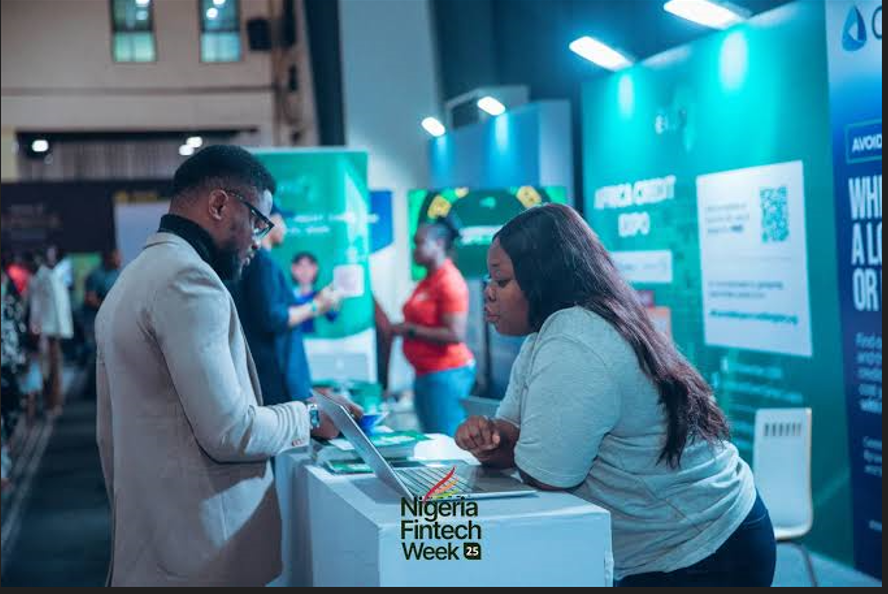
Payments remain central to Nigeria’s fintech ecosystem. Discussions are expected to cover payment switches, processors, open banking and the infrastructure that allows financial transactions to move between different systems. For technology professionals, this is where fintech becomes an engineering problem. Reliability, APIs, authentication, databases, cloud infrastructure and cybersecurity all influence whether a financial product actually works.
Regulation and Compliance
Regulation is another major part of the 2026 agenda. The official program highlights areas including open banking, digital asset regulation, KYC, licensing and agent banking. This matters because technology does not operate independently of policy.
A fintech product can have excellent software and still fail if it cannot satisfy regulatory requirements. That makes knowledge of compliance increasingly valuable for founders, product managers, developers and financial technology professionals.
International Finance Corridors and African Expansion
Cross-border payments are particularly important for Nigeria because businesses and individuals increasingly operate across African and international markets.
The program includes remittance corridors, foreign exchange and local settlement. This area is also important to the wider digital economy. Moving money between countries involves currency conversion, settlement infrastructure, compliance and fraud detection. This creates an opportunity for companies building financial infrastructure.
Digital Assets, Crypto and Web3
Digital assets and Web3 also have a place on the official agenda. Discussions will cut across stablecoins, tokenization and the regulatory environment surrounding digital assets. This is an area where technology professionals should distinguish between hype and infrastructure. The question shouldn’t simply be whether a particular cryptocurrency becomes popular. It should be whether technologies such as tokenization, blockchain-based settlement and digital assets solve identifiable problems within financial systems.
Embedded Finance and the API Economy
Embedded finance is another area with major implications for software development. The official agenda includes Banking-as-a-Service and API led distribution.
This means financial services can increasingly become features inside other digital products instead of existing only as standalone banking applications.
A commerce platform might integrate payments. A business platform might provide financing. A digital service might incorporate insurance or financial accounts.
For developers, APIs become the connection between these systems –how frontend and backend development work together.
Who Is Speaking at Nigeria Fintech Week 2026?
The official speakers are senior figures from Nigeria’s financial, regulatory and technology ecosystem. Listed speakers include:
- Olayemi Cardoso, Governor of the Central Bank of Nigeria
- Emomotimi Agama, Director-General of the Securities and Exchange Commission
- Kashifu Inuwa Abdullahi, Director-General of NITDA
- Segun Aina, President of the Africa Fintech Network and Chairman of the FintechNGR Board of Trustees
- Stanley Jacob, President of FintechNGR and Group Chief Innovation & Technology Officer at Meristem Nigeria
- Jameelah Sharrieff-Ayedun, Vice President of FintechNGR and MD/CEO of CreditRegistry
- Rakiya Opemi Yusuf, Director of Payment System Supervision at the CBN
- Mike Ogbalu, CEO of the Pan-African Payment & Settlement System
- Callistus Obetta, Group Executive at First Bank of Nigeria
- Olusola Olakanmi, Vice President at Mastercard
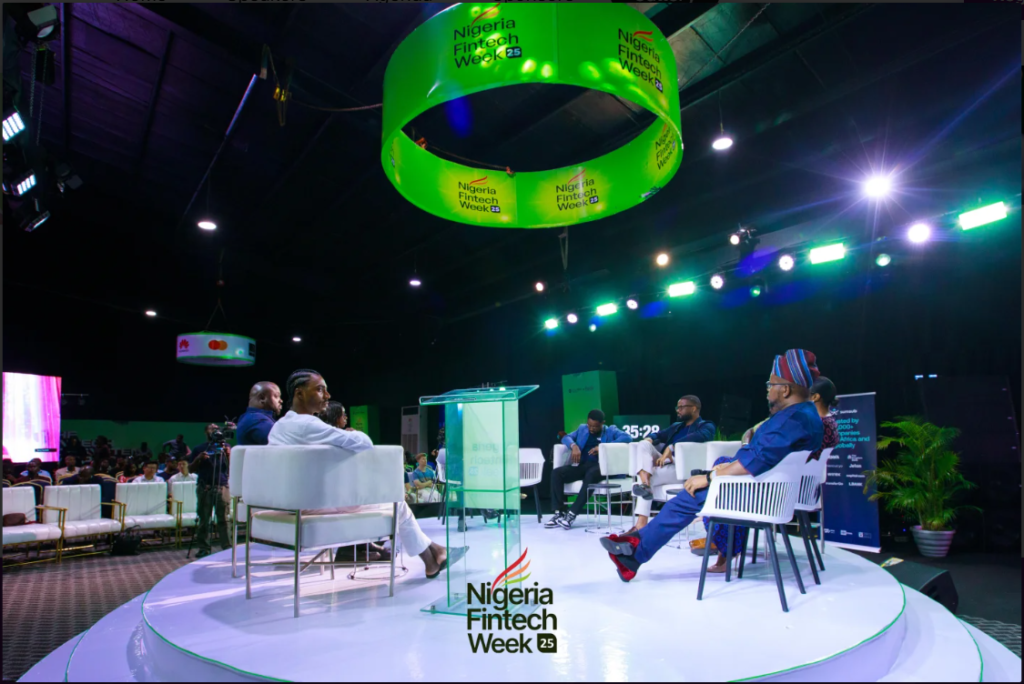
The combination brings together people responsible for different parts of effects: monetary policy, securities regulation, technology development, payments, banking and private-sector innovation.
Why Nigeria Fintech Week Matters Beyond Finance
Fintech is often described as an industry of banking apps and payment platforms. Rightfully so but behind every digital financial service is a technology stack. A payment platform needs software engineers. A lending company needs data systems and risk models. A digital bank needs cybersecurity. A financial application needs user experience and interface design. A regulated fintech needs compliance specialists. The same ecosystem also requires cloud infrastructure, databases, APIs, identity systems and analytics. This is why developments discussed at Nigeria Fintech Week can affect people who have never worked for a fintech company.
For Nigerian students and young professionals, the event provides a practical example of how different technology skills connect to real industries.
What Should Young Tech Professionals Watch?
If you are interested in technology rather than finance itself, several areas deserve particular attention –APIs and Financial Infrastructure. Modern financial products increasingly depend on systems communicating with one another. Understanding APIs, databases and backend architecture can therefore be useful far beyond traditional software companies.
Cybersecurity
Financial systems are attractive targets because they handle money and sensitive information. Authentication, fraud detection, access control, encryption and secure software development are not optional extras in fintech.
Data Analytics
Financial platforms generate large amounts of data. The ability to interpret that information can support fraud detection, credit and risk assessment, customer segmentation, informed decisions and predictive analysis. This creates a natural connection between fintech and the data analytics career path.
Product Design
A technically cutting-edge financial product can still fall short if users cannot understand or navigate it. It goes to show that user interface design, accessibility and onboarding are important parts of digital finance.
Regulation and Compliance
Technology professionals should understand the environment in which their products operate. Knowing the effects of policies on product designs can become a competitive advantage for those in the fintech space.
What Makes the 2026 Edition Different?
The most obvious difference is the three-city format. The recently concluded Gitex Nigeria 2026 also took on this format. While Lagos sits in the position of anchoring the event, the program is decentralized into the event hubs of Abuja and Port Harcourt. The agenda also reflects a more mature fintech ecosystem. And that tells us something about the industry’s direction. Fintech is becoming less about creating isolated digital products and more about building interconnected financial infrastructure in Nigeria.
Should You Attend Nigeria Fintech Week 2026?
Attendance makes the most sense if you have a specific reason for being there. Students and young professionals can use the event to understand where technology skills intersect with financial services. Developers and product professionals can learn more about the infrastructure behind digital financial products.
Founders and Investors can use the event for partnerships, market intelligence and investor conversations. Technology educators and career platforms can also use the event to identify the skills that businesses increasingly need.
What to Watch After Nigeria Fintech Week 2026
The most valuable coverage may come after the conference ends. Once the tech event is over, attention should be drawn to emerging new products, policies and partnerships. These developments will provide a stronger measure of the event’s significance than attendance figures alone.
Tech Takeaway
Nigeria Fintech Week 2026 arrives at an important stage in the country’s digital economy. The industry has moved beyond the question of whether Nigerians will adopt digital financial services. The bigger challenge is building systems that are secure, interoperable, scalable and capable of serving increasingly complex financial needs. That is why the event deserves attention from more than bankers and fintech founders.
For anyone interested in software, cybersecurity, data, product design, digital business or technology careers, the conversations at Nigeria Fintech Week can offer a useful picture of where several parts of Nigeria’s technology ecosystem are heading. The future of technology will need people who understand how digital systems work and can apply those skills to real-world problems.
Explore Samic Tech Hub and discover practical technology training designed to help you build relevant digital skills for the future of work.
Samic Tech Hub